LSSU launches accelerated master’s program to fast-track careers in fisheries and wildlife management
The program was developed in response to changes the university is seeing across the natural resources field.
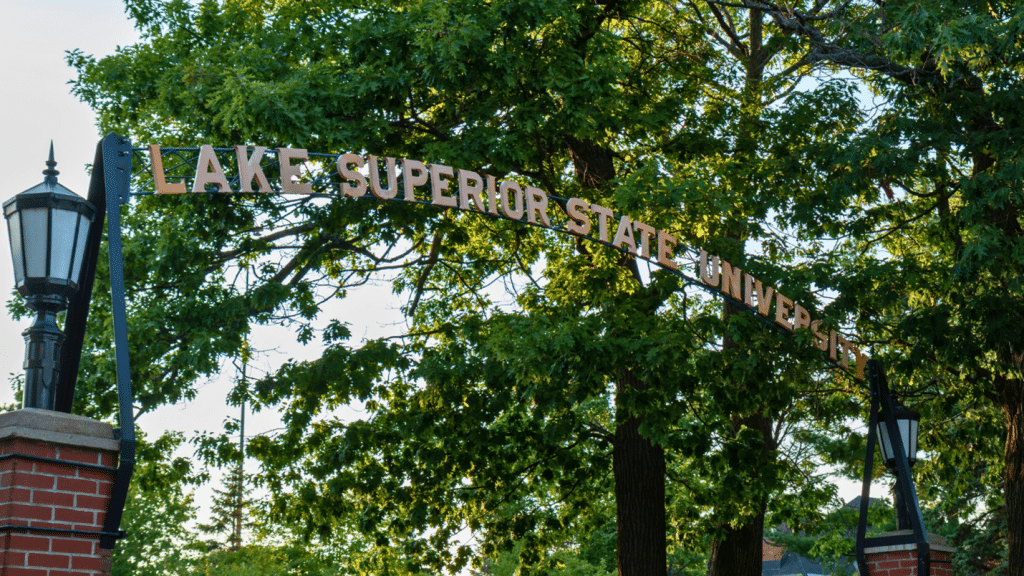
Lake Superior State University is offering students a faster and more focused route into advanced work in fisheries and wildlife management.
A new accelerated 4+1 master of science program will allow students to earn both a bachelor of science and a master’s degree within five years, keeping them closely connected to faculty, fieldwork, and professional partners throughout the process.
The program was developed in response to changes the university is seeing across the natural resources field.
“The accelerated program was created to provide students the opportunity to earn a combined bachelor’s and master’s degree in fisheries and wildlife within five years, which addresses a growing need for advanced training in the field,” says Dr. Ashley Moerke says, dean of the College of Great Lakes Ecology and Education.
Graduate level training has increasingly become the expectation for many positions in fisheries and wildlife management, particularly within public agencies and research focused organizations.
“This program offers a rare, streamlined pathway for students to earn a master’s degree, which is the most marketable degree in the fisheries and wildlife field,” says Dr. Kevin Kapuscinski, a professor in LSSU’s School of Natural Resources.
Under the new structure, high achieving juniors can begin graduate coursework early, reducing the time and cost typically associated with completing a master’s degree.
“The program allows high achieving juniors to begin graduate coursework early, which streamlines their education and will help meet workforce demand for skilled fisheries and wildlife professionals,” Dr. Moerke says.
LSSU’s location plays a central role in how the program is taught. Situated within the Great Lakes basin, the university offers direct access to one of the most ecologically significant freshwater systems in North America, along with surrounding forests, rivers, and streams that support year round fieldwork.
There is significant local and regional demand for fisheries and wildlife specialists, and LSSU expects the program to help fill gaps in both research and applied roles in state, federal, tribal, and non governmental agencies.
That demand was not assumed. Dr. Moerke says the university spent time listening to the agencies that hire its graduates.
“We surveyed and engaged through our advisory committees state, federal, tribal, and non governmental agencies around the Great Lakes region to determine the need for advanced degrees as well as skills and knowledge needed for young professionals,” she says. “Our curriculum is shaped by agency responses to match their growing needs.”
The accelerated master’s program builds on LSSU’s existing Fisheries and Wildlife Management undergraduate program, which is known for its emphasis on applied learning, research experience, and close faculty mentorship.
“This 4+1 M.S. program builds on the strengths of LSSU’s fisheries and wildlife undergraduate program, hands-on lab and field experiences, relevant research, strong mentorship, and established partnerships with natural resource organizations,” Dr. Moerke says. “Students will deepen their expertise, engage in multi year research collaborations, and earn a graduate degree in an efficient, intentional way that gives them the advanced training needed to address important issues in the Great Lakes region.”
The program is closely connected to LSSU’s Center for Freshwater Research and Education, where students work alongside faculty and partners from across the United States and Canada. The center focuses on applied freshwater science tied directly to management and conservation challenges in the Great Lakes region.
“The program leverages LSSU’s existing and strong undergraduate research requirement and strengthens this to provide additional analytical, quantitative, and field skills desired by natural resource management agencies,” she says.
For students who might otherwise delay or forgo graduate school due to cost or timing, the program is designed to lower those barriers. The accelerated program is designed to open doors for students who want to advance their education and careers more quickly. By combining undergraduate and graduate coursework, LSSU is helping to prepare the next generation of fisheries and wildlife professionals to meet the increasing needs of the field.
Dr. Moerke added that accessibility was a key goal from the start.
“My hope is that this program will not only attract more students to the field but also support them in completing their graduate education without the typical barriers,” she says.
For more information about the accelerated 4 plus 1 Master of Science program in Fisheries and Wildlife Management, prospective students can visit Lake Superior State University’s website at www.lssu.edu. The site includes program details, admissions requirements, and application timelines, along with information about the School of Natural Resources and the College of Great Lakes Ecology and Education.
Students interested in undergraduate or graduate study can explore research opportunities, faculty profiles, and career pathways connected to fisheries and wildlife management. Questions about the program, eligibility, or next steps can be directed through the university’s admissions and academic program contacts listed on the website.
Related Articles
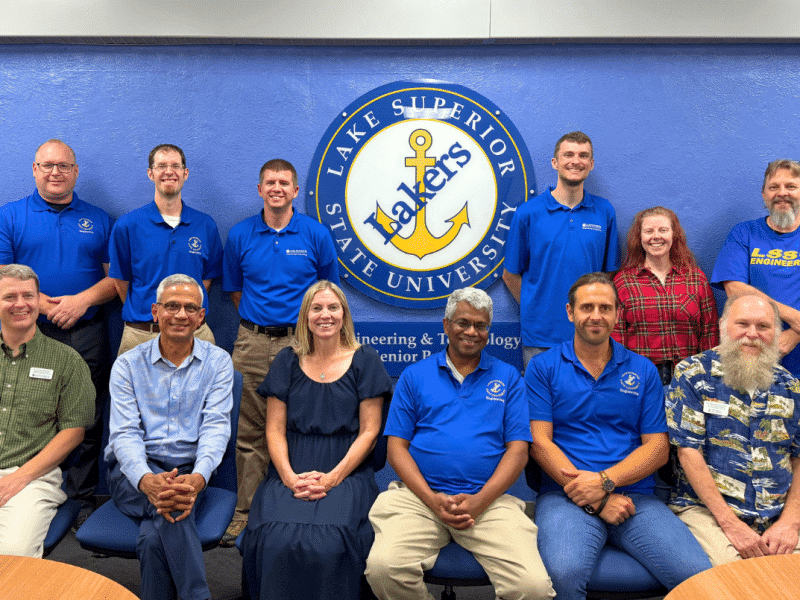
LSSU earns ABET accredition for four engineering programs
This marks the first ABET accreditation for the robotics engineering program, with the other three programs completing re-accreditation.
Bay Mills Community College awarded $9 million gift
President Dr. Duane Bedell called the contribution “extraordinary” and “transformative.”
Marine Trades Institute partners with businesses for high-impact giving
The Cedarville school hopes to build on fundraising success from last year.