Donald W. Koivisto: An advocate for Upper Peninsula farms
He built a reputation for bipartisanship, cooperation, and steady attention to rural concerns.
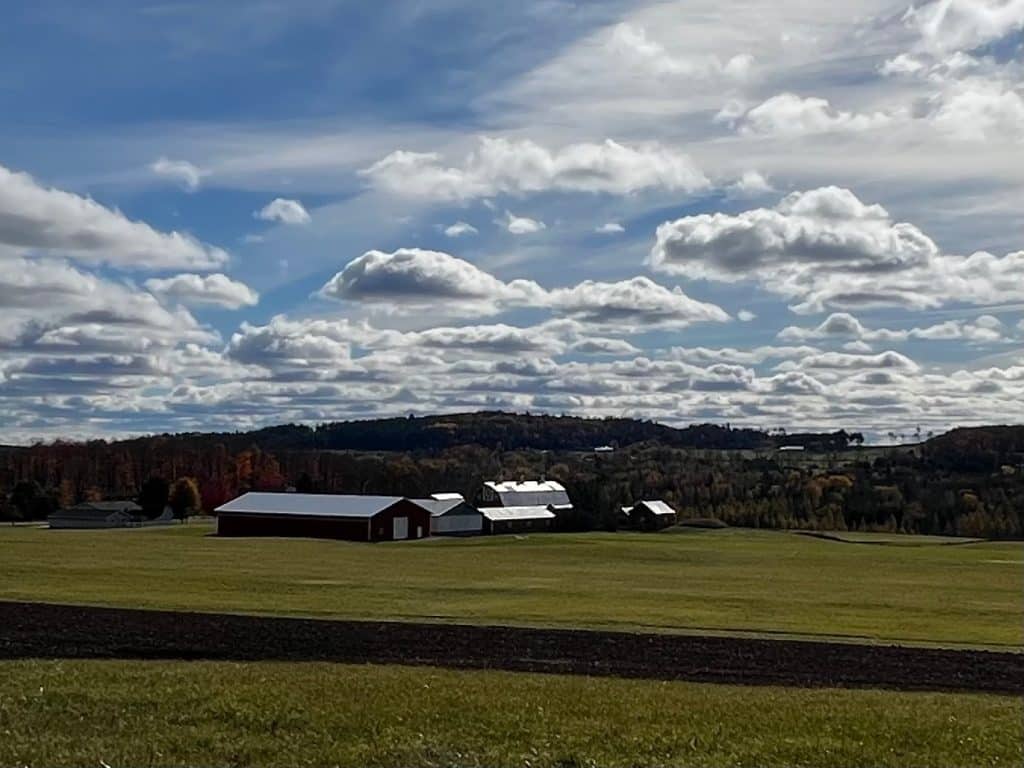
When Donald W. Koivisto, a native of the western U.P., accepted the helm of the Michigan Department of Agriculture and Rural Development in 2007, farmers across the region saw something rare: one of their own rising to Lansing’s top agricultural post.
His tenure blended the sensibilities of a neighbor who knew the weight of a hay season with the pragmatism of a policymaker who understood how rules play out on the ground.
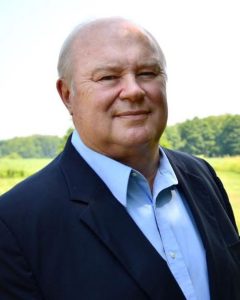
Koivisto, who died October 7, at age 76, built a reputation for bipartisanship, cooperation, and steady attention to rural concerns — traits that carried particular weight in a region where small, family-run farms still define the landscape.
State leadership
Born in Bessemer and raised among the forests and fields of the western U.P., Koivisto began his professional life far from the state capital. He worked as a teacher and coach, then as Ontonagon County’s juvenile officer, before winning election to the Michigan House of Representatives in 1980.
Representing the 110th District, he soon chaired the House Agriculture Committee, where from 1984 to 1986 he helped craft and pass Michigan’s landmark Right-to-Farm Act. The law established statewide standards for agricultural practices and shielded farms from nuisance lawsuits when they followed Generally Accepted Agricultural and Management Practices — known to every producer simply as GAAMPs.
Koivisto’s legislative influence expanded when he entered the Michigan Senate in 1990, representing the 38th District, which spans most of the Upper Peninsula. For 12 years he served on agriculture, natural-resources, and appropriations committees — the places where policy becomes practical, where funding and regulation determine whether rural priorities become reality. In those roles he became known for quiet persistence and an unpretentious command of detail that appealed across party lines.
A practical director
On August 15, 2007, the Michigan Commission of Agriculture named Koivisto director of the Department of Agriculture, succeeding Mitch Irwin. Commission Chair James Byrum said at the time, “Don is not only a strong advocate for Michigan agriculture, but has a wealth of knowledge and experience to further expand the state’s second-largest industry … [He] will be able to hit the ground running … especially in the areas of renewable fuels and food processing.”
The confidence was well placed. Beyond Lansing, Koivisto operated a Centennial Farm near Ellsworth, where he raised corn, soybeans, and hay — experience that shaped his philosophy as director.
“Michigan agriculture is a rapidly growing sector of the state economy, and I’m looking forward to facilitating new opportunities,” he said upon his appointment. “As an advocate for agriculture, I plan to protect the industry base while increasing Michigan’s presence in other sectors, such as specialty crops and exports into the global marketplace.”
He also made a point of crediting the department’s career staff: “They are dedicated, knowledgeable, hardworking people.”
Michigan Farm Bureau President Wayne Wood welcomed the appointment, noting that Koivisto brought “expertise in promoting agriculture” and “recognizes the issues that challenge our industry,” adding pointedly that “his handprints are on the Right-to-Farm law.”
The U.P. connection
Farming in the Upper Peninsula has always required stubborn optimism. The region covers nearly a third of Michigan’s land but holds less than three percent of its people. Winters are long, soil is thin, and distances to market are wide. Yet thousands of small operations persist — dairy and beef farms, hay producers, maple-syrup makers, market-gardeners, and seed-potato growers — tethered to the rhythms of the seasons and the economies of small towns.
According to the 2022 U.S. Census of Agriculture and Michigan State University Extension, the Upper Peninsula counted 2,083 farms working about 404,000 acres of cropland, an average of 194 acres per operation. Most are family-run and animal-based, with hay, pasture, oats, and barley outpacing corn and soybeans by wide margins. The region produces roughly 108,000 acres of hay — nearly 15 percent of Michigan’s total — and supports about 38,000 head of cattle and 9,000 milk cows. Even sheep, a comparatively small category statewide, number almost 9,000 here.
In such places, Koivisto’s policies mattered. The Right-to-Farm Act may not generate headlines, but it gives producers something they can bank on: predictable, statewide standards designed to protect their livelihoods. When a farm follows GAAMPs, the law provides a shield; when neighbors have concerns, the standards give everyone the same page to read from. In communities where a side business in beef, dairy, or hay can keep a family rooted through lean winters, predictability is its own form of capital.
Koivisto’s leadership also aligned with a period of renewed interest in regional markets. Campaigns such as “Buy Local, Eat Fresh” and “Select Michigan” encouraged consumers to see local food not as a novelty but as an engine of economic resilience.
“Michigan agriculture is the foundation of our communities,” he said during those years, often emphasizing that every local purchase ripples outward—to processors, transporters, and small-town grocers. Those programs, which took hold in places as distant as Marquette, Houghton, and Menominee, helped farmers’ markets and co-ops stretch their seasons and reach new buyers. For a family farm deciding whether to repair a baler or replace it, that kind of steady demand could make the difference.
An enduring legacy
After leaving the Senate in 2002, Koivisto worked as a lobbyist for the iron-mining industry and remained active in agricultural advocacy. As director he leaned into diversification themes of the period — renewable fuels, food processing, specialty crops — while staying true to the basics that mattered in rural regions: consistent standards, responsive leadership, and practical support. He made it a point to ensure that rural governments had someone in Lansing who returned calls.
Koivisto’s influence endures in the everyday steadiness of rural life across the Upper Peninsula — in the predictability of GAAMPs, the resilience of local markets, and a Department of Agriculture that listened when communities asked.
His legacy isn’t loud, but it’s lasting, rooted in the quiet assurance that good policy can keep families farming.
Related Articles

From Forest to Pharmacy: Researchers explore maple sap as a lifeline for cancer survivors
Researchers in the U.P., Michigan and beyond are looking into potential health applications for maple sap.
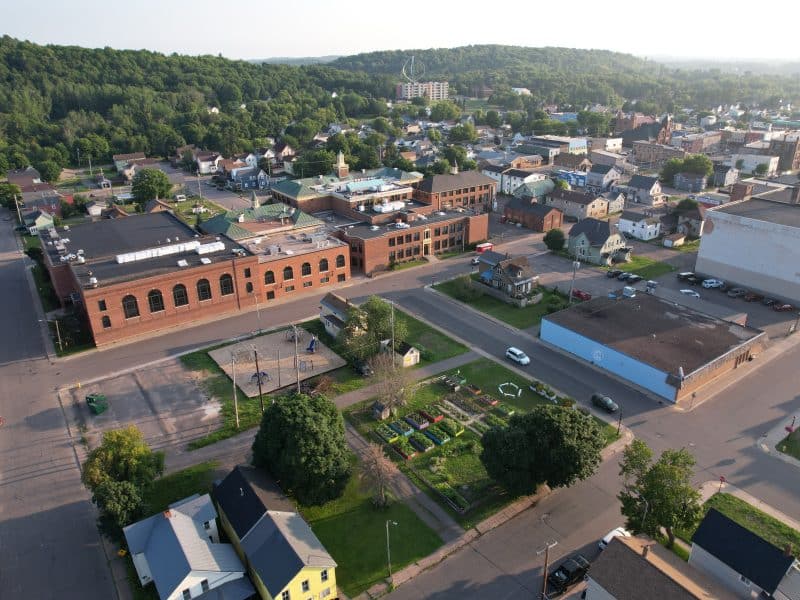
Partridge Creek Farm sets Giving Tuesday campaign to bolster food access
The farm hopes to raise $5,000 to upgrade free community grazing beds at the Ishpeming Middle School garden.
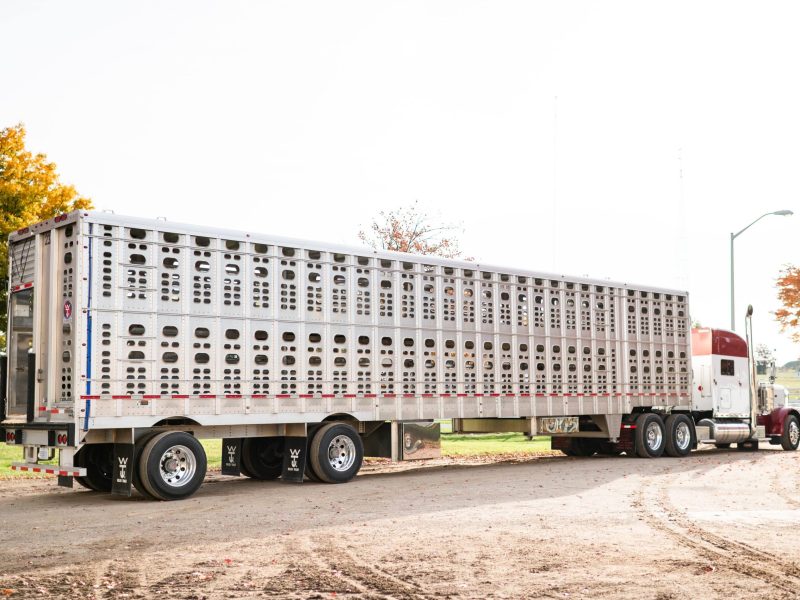
MSU Extension’s ERAIL program equips responders for livestock accidents in the U.P. and across Michigan
ERAIL trains first responders, law enforcement, and agricultural professionals to handle the unique challenges of livestock accidents.