Gogebic County gets strategic about development— thanks to a $50k grant
Gogebic County is one of only two counties among the 15 in the Upper Peninsula that has no plan for countywide economic development.

An informal group of community leaders has helped Gogebic County take its first step toward developing a plan for economic development, thanks to a boost from a Rural Readiness Grant from the Michigan Office of Rural Prosperity.
The $50,000 grant will be used to hire a consultant to work on a countywide economic strategic plan to launch a dedicated Economic Development Organization for Gogebic County, home to about 15,000 people.
The current absence of a central, staffed economic development organization in Gogebic County means “there is no single entity with dedicated capacity to consistently pursue and follow through on business retention, expansion, and attraction projects for Gogebic County specifically,” says Chelsea Wuth, communications specialist with the Michigan Department of Labor and Economic Opportunity.
What’s happening: Gogebic County is one of only two counties among the 15 in the Upper Peninsula that has no plan for countywide economic development, says Tom Bergman, who is community development director for the city of Ironwood, the largest city in the county. “Right now in Gogebic County, I’m the only economic developer, and I only represent the city of Ironwood. So that means that all the other communities in the region are underserved in terms of economic development,” he says.
“There are some really big regional projects that are happening in our area … really, really significant projects that have region-wide impact. And there’s no central location to try to advocate for opportunities for the communities,” he adds.
Region-wide efforts to promote needs such as housing, for instance, are at a disadvantage, too, in securing grant funding for projects that involve several communities. The grant to help create an economic planning group “is kind of a first step of a really big project,” Bergman says.
“An economic strategic plan sets tangible goals for a community that allow them to focus their efforts on specific, widely agreed-upon objectives,” Wuth says. “More specifically, the strategic plan will serve as a roadmap for Gogebic County, informing which types of state, federal and philanthropic grants they should pursue, and which types of local zoning policies they should update.”
It’s not only about potential grant funding. A strategic plan signals operational readiness to potential investors and developers, and serves as a key tool to attract business, signifying a unified vision within Gogebic County, the westernmost county in Michigan.
The back story: A group including representatives from Gogebic Community College, the cities of Ironwood and Bessemer, the Western Upper Peninsula Planning and Development Region and the Gogebic Range Health Foundation have been working towards development of an economic development plan for the region. The community college applied for the grant to hire a consultant to help the group go through that planning process for the region. “The college was gracious enough to take on that responsibility and sort of be the fiscal agent,” Bergman says.
With a consultant’s help, a formal economic development group could be formed to help guide what the needs are and the direction that the community should go from here on forward.
About the grant: The Rural Readiness Grant Program provides critical resources to communities that often face unique economic challenges, ensuring they have the support needed to attract investment, create jobs and foster sustainable growth. This funding enables local governments, nonprofits and economic development organizations to implement projects that enhance infrastructure, build housing and health initiatives, expand workforce development programs and promote long-term economic success.
“This funding helps level the playing field for rural communities, giving them the tools they need to compete for economic opportunities just as strongly as larger urban areas,” said LEO Director Susan Corbin. “By investing in local projects that strengthen workforce, health, housing, infrastructure and economic development, we’re making sure every Michigander and community has the resources and support they need to thrive.”
What’s the timeline for this work :The strategic plan is expected to be complete by May 2027.
Related Articles
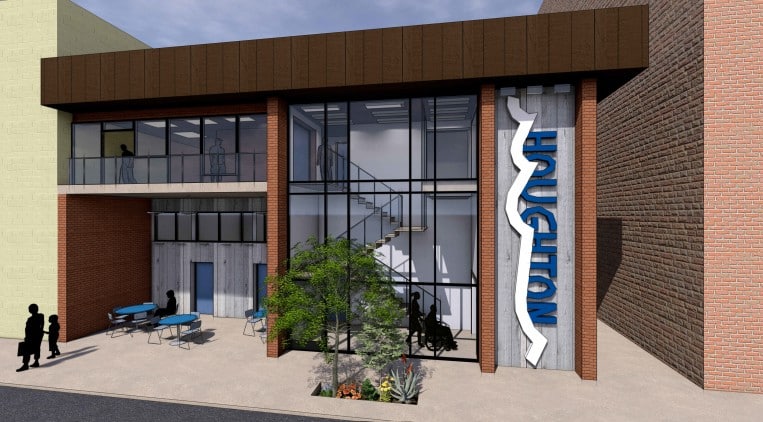
Houghton secures $3.8M to transform downtown into talent hub
The new projects are part of an ongoing effort to turn Houghton’s downtown and waterfront into a talent-driven destination the city is calling North Landing.
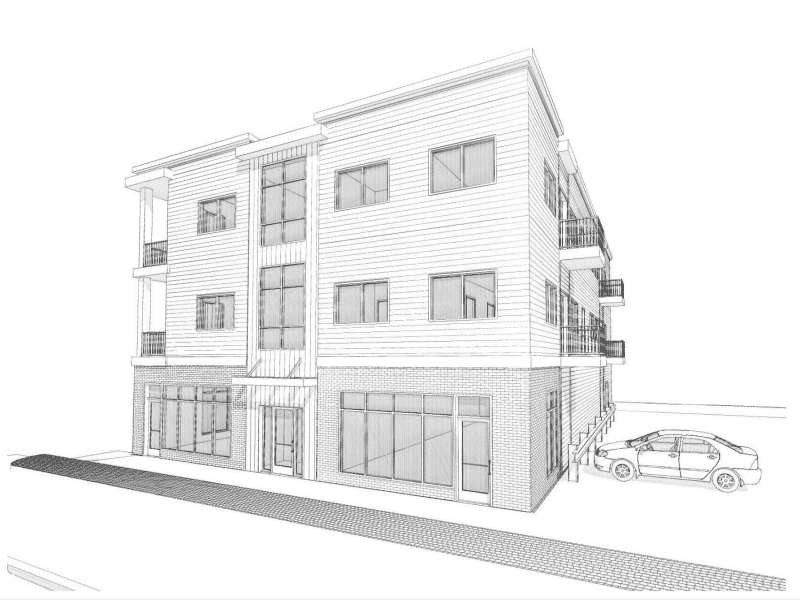
New mixed-use housing project coming to Marquette’s Washington Street
Plans call for a 16,150-square-foot building featuring two commercial suites, underground parking, and 11 residential units.
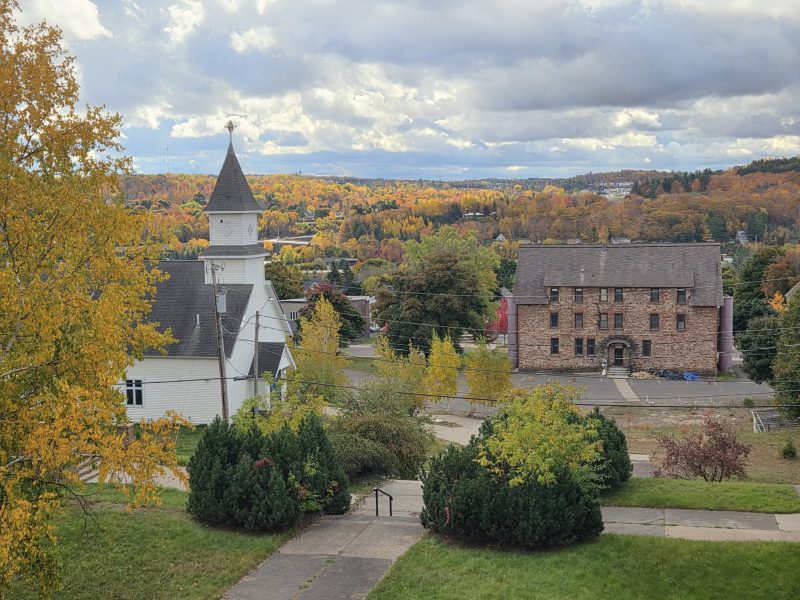
New Life in Old Halls: Transforming Finlandia University’s former buildings for a vibrant future
Most of the university’s buildings have been sold. Some are being renovated into apartments and commercial space. Others will become event venues and a community hub.