Grants to fight invasive species available through DNR
State grants available to help fight invasive species.
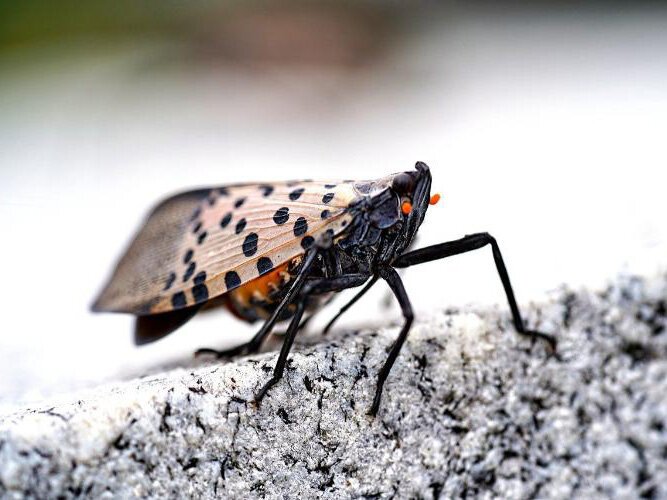
What’s happening: Michigan’s Invasive Species Grant Program is now accepting proposals for the 2025 funding cycle, with approximately $3.6 million available to applicants. Established in 2014, the statewide program is a partnership between the Michigan Department of Natural Resources, Michigan Environment, Great Lakes, and Energy (EGLE) and Agriculture and Rural Development, combining to help prevent, detect and control invasive species across the state.
For this year’s cycle, proposals are sought that address key priorities, including improving public adoption of decontamination practices such as cleaning recreation equipment or using local firewood; detecting and responding to watch list species in high-risk areas; and developing response plans for species that may pose future risks.
A consistent problem: Invasive species often pose significant ecological, economic, and social challenges; native plants and animals are unable to compete for the resources the same way an invasive species would. Sometimes the damage can also occur within the ecosystem, like zebra mussels and other aquatic organisms disrupting the Great Lakes, degrading water quality and displacing native species. Wetland invaders such as purple loosestrife and Phragmites are also spreading rapidly, displacing native vegetation.
What they’re saying: “Michigan is home to some truly world-class outdoor recreation opportunities,” said DNR Director Scott Bowen. “Unchecked, invasive species pose serious threats to those resources and the outdoor economy. Michigan’s Invasive Species Grant Program is a valuable tool that allows us to work with community partners around the state to better fight and contain these land and water pests.”
What’s next: Full project proposals are due November 1, with award announcements expected in March 2026. The program does not require matching funds, and match documentation will not be accepted as part of the application. Competitive proposals should outline clear objectives, provide significant ecological benefits, demonstrate diverse collaboration, and show strong community support. All applications must be submitted through the MiGrants online system, accessible at MiGrants.Intelligrants.com or via a link on Michigan.gov/MISGP.
Author

Related Articles
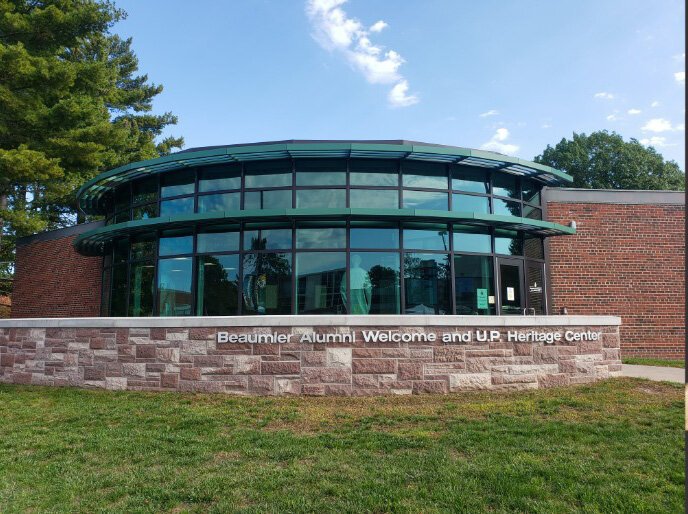
Six U.P. organizations awarded America250MI History grants
The America250MI program is a state-level initiative that provides funding to help local historical organizations develop projects as part of the country’s 250th anniversary celebration.

Bay Mills Community College plans state-of-the-art health care facility
The new facility will feature a state-of-the-art nursing simulation lab and an EMT lab, providing hands-on, real-world training for aspiring healthcare professionals.
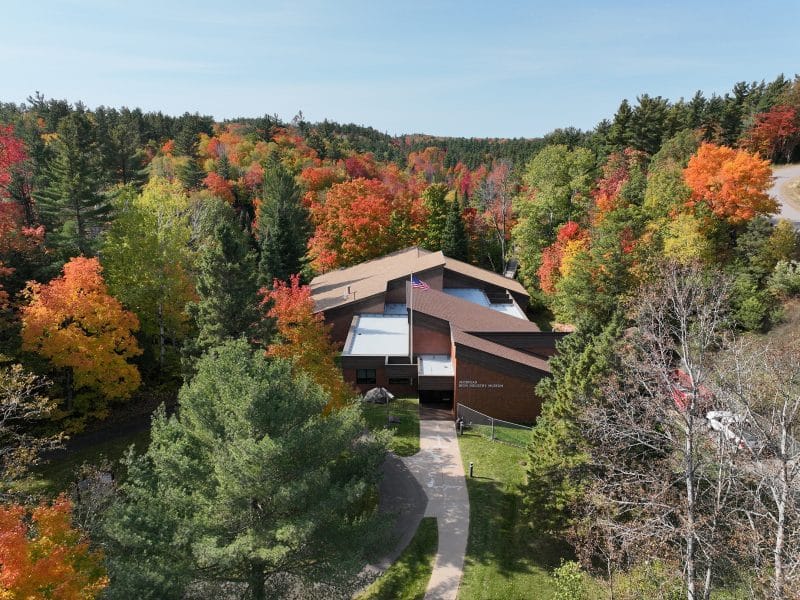
Michigan Iron Industry Museum closed due to roof damage
The structural damage was caused by heavy snow; the roof is intact but several trustees that bear the roof’s weight began cracking on Feb. 21.