
Eastern UP organization battles invasive plant species
Three Shores CISMA is a group fighting invasive plant species in eastern U.P. locations and ecosystems including Mackinac Island.
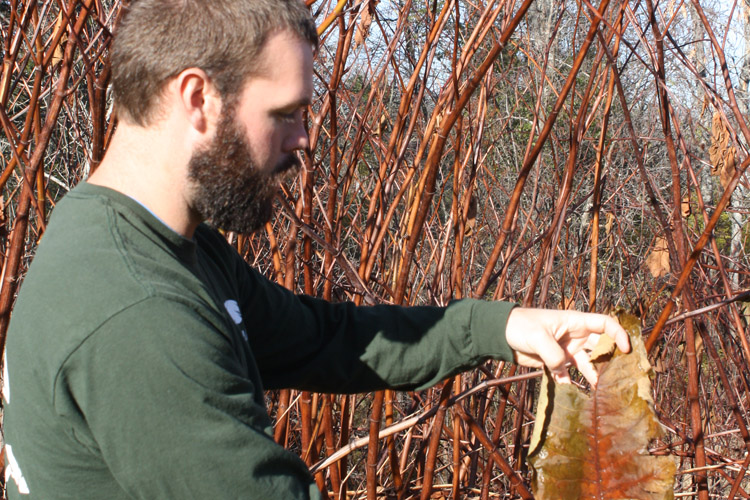
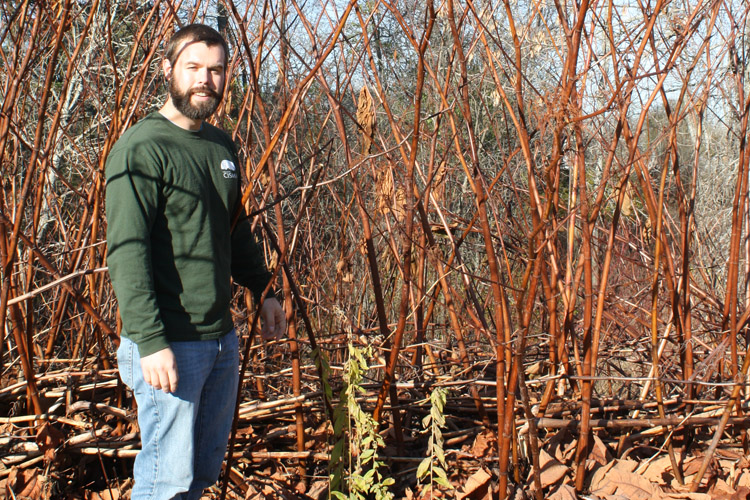
Fortunately, there is an organization that is working to address the problem. The Three Shores Cooperative Invasive Species Area (CISMA) is one of five such organizations in the Upper Peninsula taking on the task of eliminating these troublesome weeds.
The mission of Three Shores CISMA is, among other things, to educate the public of the potential problems related to invasive species in the area and, when necessary, use every means at their disposal to remove or control them.
The organization, which is entirely grant funded, is currently partnering with dozens of public and private agencies and has recruited scores of volunteers to go out and manually pull weeds, where necessary. Right now there are two full-time staffers who can go out, free of charge, and treat stands of invasive species that they believe are a priority for eradication or control. Seasonal workers are also employed to help in these efforts.
“An invasive species is a plant that has a negative impact on our native ecosystem, local economy and human health,” he explains.
Environmental and economic threat
Invasive species are not only an environmental threat but an economic one as well, Cassel notes.
Phragmites is a prime example of an invasive species in the EUP that has the potential to do harm to the economy in the region. It’s a very tall grass that produces a thick mass of plant material that can be difficult to walk through, let alone manage.
Another troublesome plant is Japanese knotweed.
Garlic mustard is yet another example of a plant that can cause extensive damage to the environment and economy. If not kept in check this benign-looking plant can overpower valuable hardwood timber stands and eliminate normal deer grazing areas, since deer won’t eat the stuff. This, of course, has an impact on hunting and the timber industry.
“If garlic mustard moves into a stand of hardwoods of a favorite camp you’ve been coming to for many years, all of sudden it’s 60 acres of garlic mustard on the forest floor and all your game species are gone,” says Cassel.
Mackinac Island’s invasive species problem
Invasive species could also have an economic impact on a tourist destination such as Mackinac Island, which in addition to raising the economic stakes, has different challenges due to its location.
“We’ve dealt with Mackinac Island since 2013,” says Cassel. “We go over there multiple times a year to treat Japanese knotweed, phragmites and garlic mustard.”
He says the impact of these invasive species, especially phragmites and Japanese knotweed, can have quite an effect on the island’s economy; tourists who flock to the island expect to be able to look out on the water as they bike around the island. Cassel’s group has identified other troublesome species on the island which they are working to eradicate.
Aquatic invasive species
Invasive species are in lakes and rivers as well. Plants like Eurasian milfoil, frogbit and zebra mussels, are clogging our local waterways, getting tangled up in boat props and even making it difficult for duck hunters to venture into their favorite hunting spots.
“We have a huge fishery in the EUP,” says Cassel. “A lot of people come here for this fantastic fishery.”
There are also negative health implications related to invasive species, like in the proliferation of wild parsnip, a plant that has become increasingly conspicuous along the roadside in the EUP. The plant contains a phytotoxic sap which can cause a rash, and which poses a threat to workers and other people who may come in contact with it.
Cassel says wild parsnip turned up near a park in St. Ignace, and was removed before it could become a hazard to campers.
“The county is excited about getting on board to control wild parsnip,” says Cassel. “With the proper timing of mowing, you can prevent it from seeding and you won’t need to treat it with gallons of herbicide.”
Making people aware of the threat
Like a lot of things that can potentially harm us, people aren’t concerned with the potential problem with invasive species until it becomes more immediate.
The threat of invasive species is kind of like that ominous sound you hear in the engine of your vehicle. You know in the back of your mind that you need to get your vehicle into the shop soon or the cost to fix it will likely double or worse.
“The wonderful thing about Three Shores is we’re a partner across jurisdictional boundaries, we can bridge the gap between private and public entities,” says Cassel.
For more information on invasive species or to request they be removed from your property contact Three Shores CISMA at 906-632-9611 or threeshorescisma@gmail.com.
Neil Moran is a freelance writer/copywriter living in Sault Ste. Marie. He blogs and details his writing services at Haylake Business Communications.
Related Articles
A tale of three cities: How small businesses foster U.P. local economies
Rich histories and tight-knit, hard-working communities drive the U.P.’s economic development.

U.P. tour helps historical communities build a stronger economic future
Michigan Municipal League travels north to share resources for small business development.
U.P. tour helps historical communities build a stronger economic future
Michigan Municipal League travels north to share resources for small business development.