
Houghton named a Michigan five-star entrepreneurial hub
This five‑star recognition underscores Houghton’s commitment to building a vibrant, resilient, and opportunity‑rich community.

What’s happening: Houghton has once again been recognized for its successes and ongoing efforts to support Michigan’s entrepreneurial growth and economic development in the annual eCities study conducted by researchers at iLabs, University of Michigan‑Dearborn’s Center for Innovation. Houghton was honored as a five‑star community, joining 86 other communities across the state.
About the ratings: Communities demonstrating the strongest business development growth over the past five years, while effectively managing the cost of doing business, are designated as five‑ and four‑star communities. This five‑star recognition underscores Houghton’s commitment to building a vibrant, resilient, and opportunity‑rich community. Its efforts include supporting small business growth and entrepreneurship through streamlined permitting, responsive customer service, advancing talent attraction and retention, and investing in public spaces and infrastructure, such as downtown improvements.
What they’re saying: “Houghton’s business community is built on collaboration and creativity,” said Danielle Perkowtiz, who is Houghton’s community and business development manager. “This recognition reflects the work of our local entrepreneurs and the many residents and businesses who invest in Houghton’s future every day. We’re proud of the momentum we’re building and excited for what comes next.”
About the study: The eCities study analyzed publicly available data from 277 communities across 54 Michigan counties. Researchers focused on five‑year changes in property values, community assets, and tax rates—key indicators of growth, investment, and the cost of doing business. From 2020–2024, these communities increased their capital assets by an average of 5.14 percent annually through investments such as park and trail improvements, bridge reconstruction, and road projects. They also represent 86 percent of Michigan’s real commercial property and 63 percent of the state’s total property value.
Author

Related Articles

Copper Peak seeks executive director for multimillion dollar transformation
This high-visibility role offers a starting salary of $75,000 – $105,000, plus relocation assistance and flexible scheduling.

Operation Action U.P. honors four businesses with ‘Excellence’ awards
The recipients were recognized for their significant contributions to the economic well-being of the U.P.
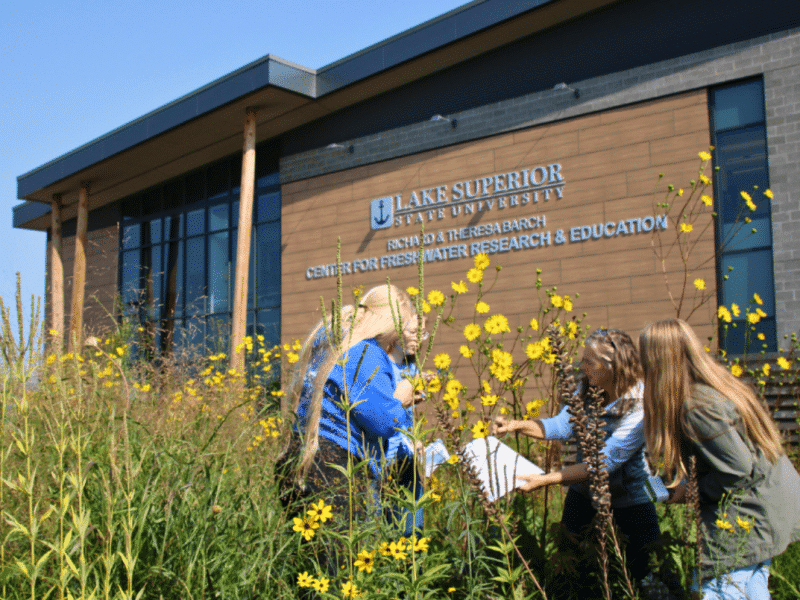
LSSU receives historic $3M gift to anchor Great Lakes research
The donation supports the creation of the Richard and Theresa Barch Endowed Executive Directorship at the university’s Center for Freshwater Research and Education.