
LSSU receives historic $3M gift to anchor Great Lakes research
The donation supports the creation of the Richard and Theresa Barch Endowed Executive Directorship at the university’s Center for Freshwater Research and Education.
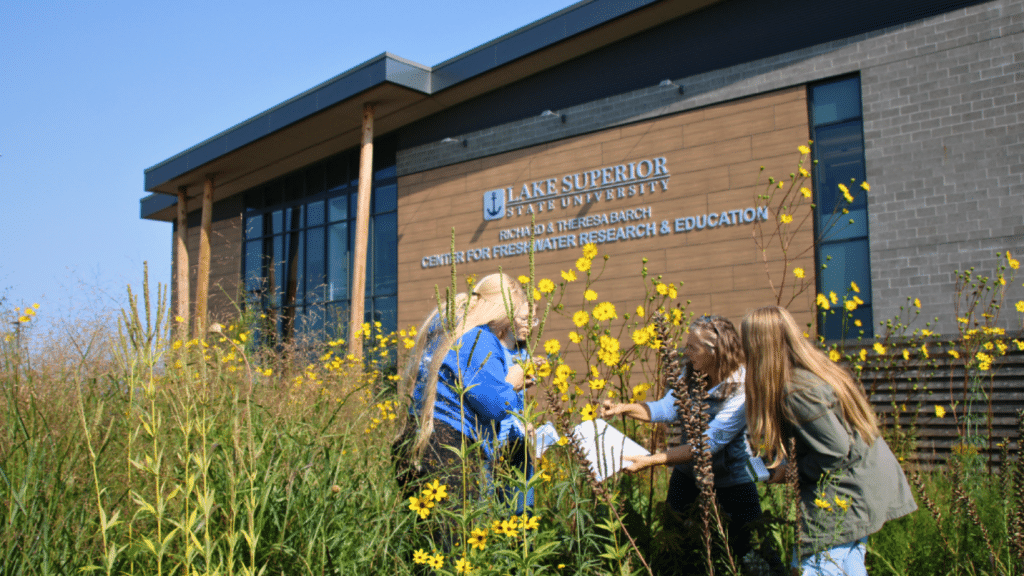
What’s happening: Lake Superior State University is expanding its capacity for Great Lakes research and hands-on opportunities, thanks to a $3 million donation from Dick and Theresa Barch. The donation supports the creation of the Richard and Theresa Barch Endowed Executive Directorship at the university’s Center for Freshwater Research and Education. It’s the first named directorship in the university’s history.
The impact: The endowed directorship strengthens the university’s ability to attract research partnerships, pursue
external funding, and expand student opportunities, reinforcing the university’s growing role as a leader in freshwater science and workforce preparation. The gift will establish an Excellence Fund to support student research, the acquisition of advanced equipment, and provide a new, larger research vessel, giving students expanded
opportunities for hands-on learning and real-world experience.
What they’re saying: “This investment strengthens our ability to grow research and student training at a scale that
impacts not only LSSU, but all those who appreciate the Great Lakes and freshwater ecosystems,” said Dr. Ashley Moerke, executive director of the Center for Freshwater Research and Education. “It helps ensure that Barch CFRE has the resources to conduct research and gather data that informs conservation, policy, and resource management across the Great Lakes region.”
About the Barches: The couple has a long history of supporting Lake Superior State University and its mission. “(The Center for Freshwater Research and Education) gives students an experience most other universities can’t offer. They provide an opportunity for hands-on work in rivers, wetlands, and marshes that a classroom or textbook can’t replicate,” said Richard Barch. “Turning over rocks in a river or along a lake bottom brings a kind of personal satisfaction that deepens learning and reveals the complexity of ecosystems. Getting wet, cold, and muddy in waders isn’t a side note at LSSU, but a defining part of the student experience, and one you won’t find in an urban campus setting.”
Author

Related Articles
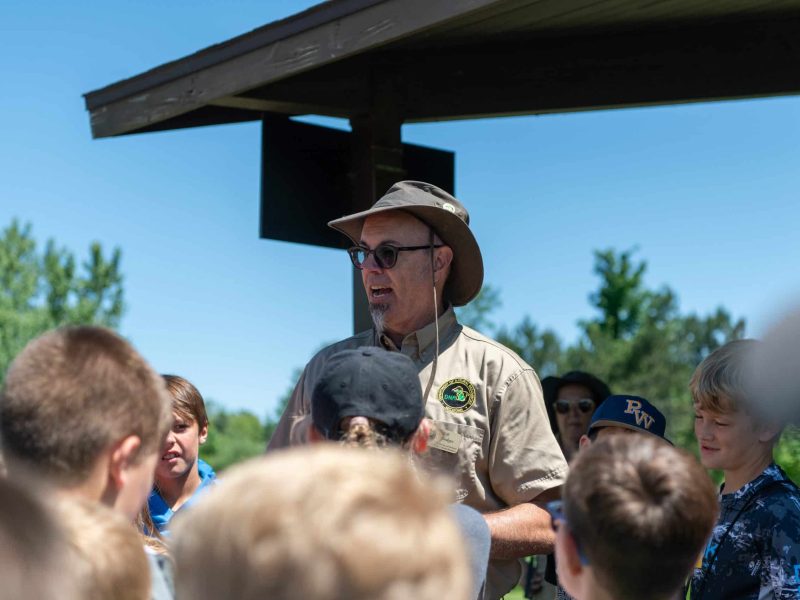
Michigan fourth-grade classrooms can register for free DNR state park field trips
Registration is now open for Nature Awaits, a Michigan DNR program offering fourth-grade classrooms free, educator-led state park field trips with up to $1,000 in school transportation reimbursements available this fall.
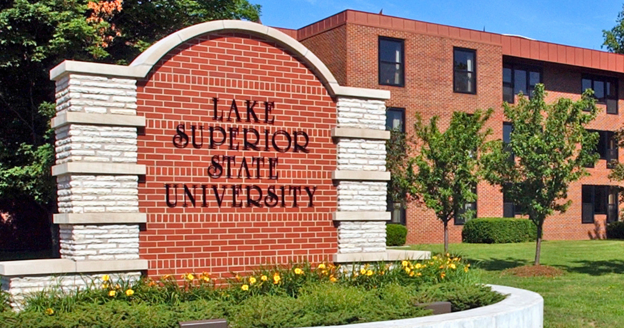
LSSU transitions campus Health Care Center operations to Alcona Health Center
Lake Superior State University is transitioning the operations of its campus Health Care Center to Alcona Health Center over a 120-day period that began July 27. The move ensures uninterrupted, quality medical services for students and the community while giving current staff the opportunity to join Alcona Health Center.
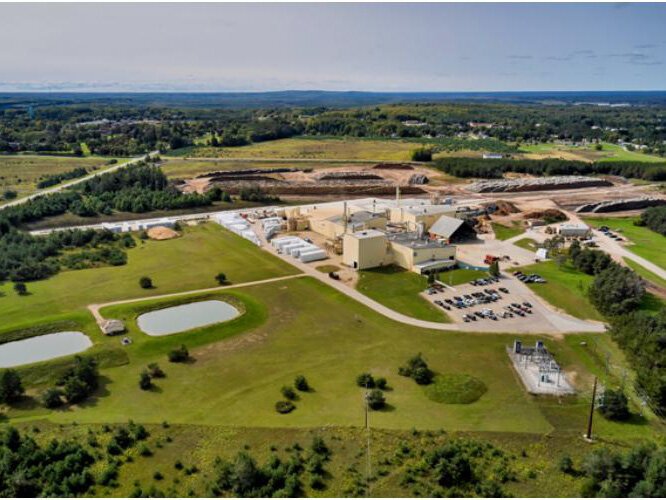
Six U.P. students awarded LP Building Solutions scholarships
LP Building Solutions is celebrating the 25th anniversary of its LP Scholarship Program by awarding a record 104 scholarships totaling over $250,000 to team members’ children for the 2026–2027 academic year.