MEDC Grants fuel $3.8M in mixed-use growth for Hancock and Manistique
The mixed-use redevelopments will contribute housing and commercial space to the downtown areas of Hancock snd Manistique.
What’s happening: Mixed-use projects in Hancock and Manistique have secured major funding through the Michigan Economic Development Corporation’s Revitalization and Placemaking (RAP) program, the agency has announced
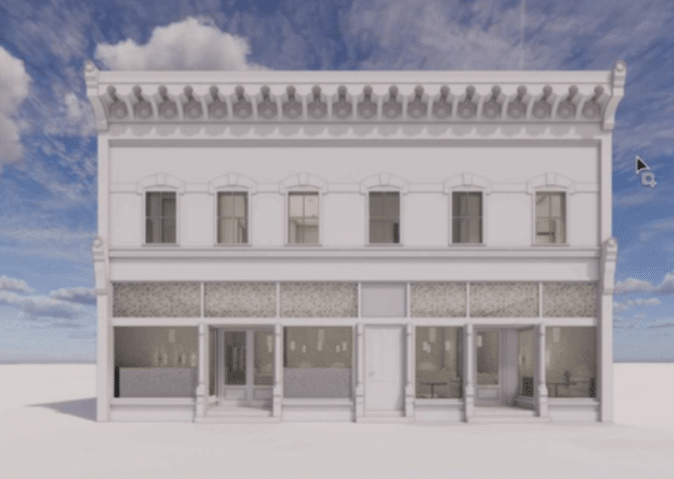
In Hancock: The Weider Block building in Quincy Street Historic District will undergo a $2.5 million rehabilitation into a mixed-use space. The project features a brewery, a tasting room, and four second-floor apartments. Development is supported by a $1.2 million RAP grant and a $15,000 Hancock DDA facade grant. Developer Jonathon Nagel, a retired municipal planner and real estate investor, is leading the project. Nagel is being supported through his first Michigan development project by the Keweenaw Economic Development Alliance.
In Manistique: A vacant two-story building will be transformed into a $1.3 million community hub featuring three apartments and 1,250 square feet of commercial space. The project is backed by a $585,820 RAP grant, InvestUP’s Build UP program, which is providing $460,820 in collateral support in partnership with Peoples State Bank, and $22,000 from the Manistique City Council for ADA-compliant restrooms. The development team is Modes of Motion LLC.
What they’re saying: “The restoration of the historic Weider Block building at 115 Quincy Street in downtown Hancock will bring new life into our growing downtown, adding additional housing as well as a welcoming third space for the community in the taproom of Staghorn Brewing Company,” said Jonathon Nagel, the project developer.
“This is what can be accomplished through great communications of multiple government (State and Local) entities in collaboration with the public (property owners and developers with a vision),” said Manistique City Manager Corey Barr. “It has been an honor to work with the owner/developers on this project to bring back a building of 100 plus years in age to much needed front store utilization along with rental space. This not only restores a vacant building, but it is another key in our downtown revitalization.”
About RAP: MEDC’s RAP program provides access to gap financing for place-based infrastructure development and real estate rehabilitation and development.
Author

Related Articles
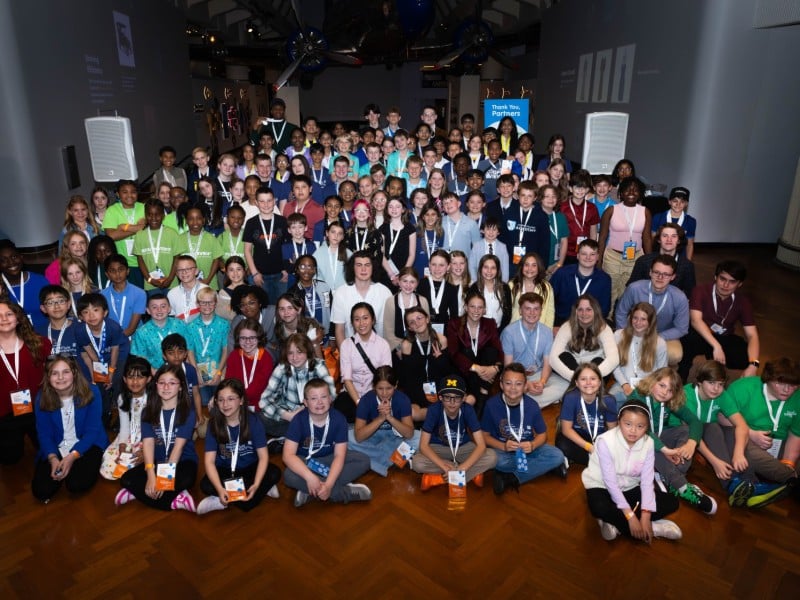
Keweenaw students earn top honors, advance to National Invention competition
The students created a tool designed to help young basketball players improve their layup technique.
2026 Proactive Grant applications now open at West End Health Foundation
Local nonprofit organizations dedicated to improving access to nutritious food are invited to apply for awards typically ranging from $1,000 to $10,000.
Marine Trades Institute re-earns national accreditation
The Marine Trades Institute’s Marine Technology School has earned reaccreditation from the Marine Trades Accreditation Program following a unanimous vote and a comprehensive evaluation of its industry-aligned curriculum.